

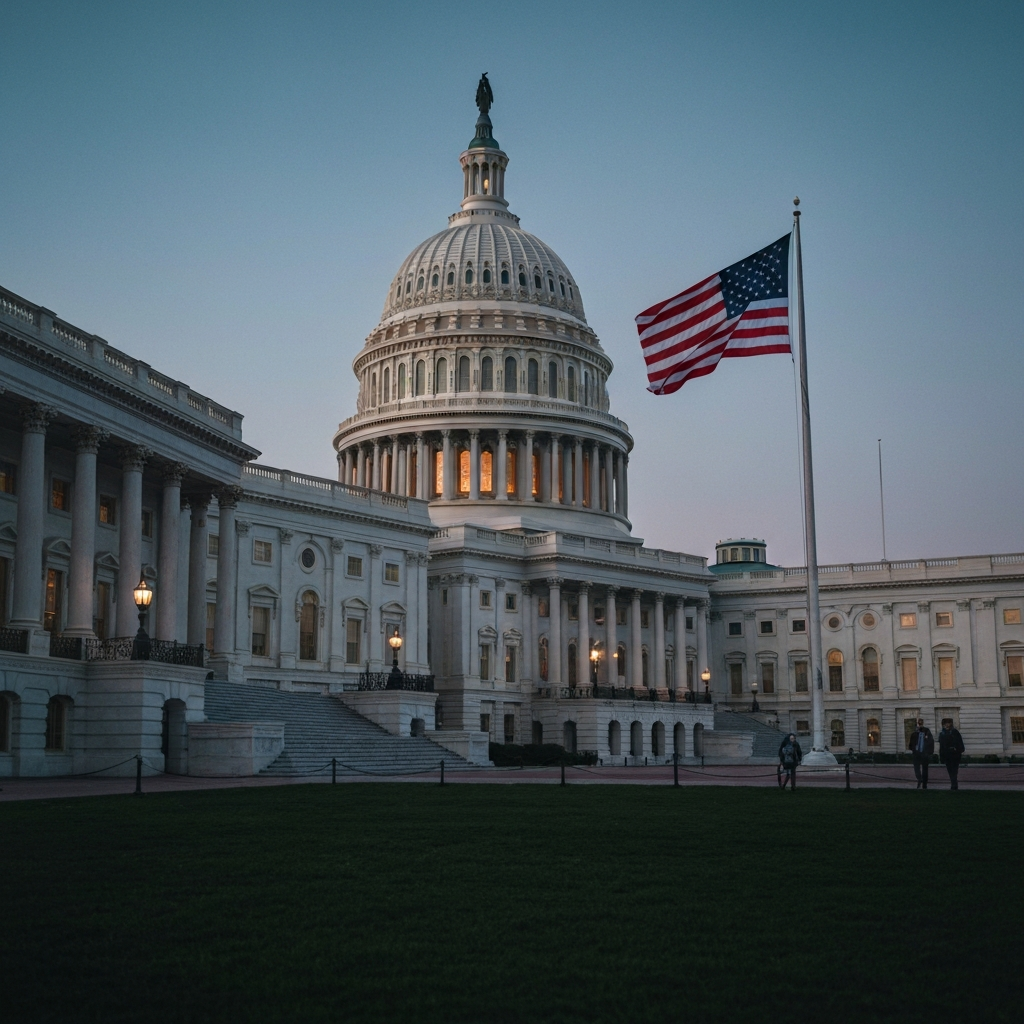
The War Powers Resolution, enacted in 1973, is a federal law intended to check the president’s power to commit the United States to armed conflict without the consent of Congress. This legislation requires the president to notify Congress within 48 hours of deploying military forces and limits the duration of such deployments to 60 days, with a further 30-day withdrawal period, unless Congress authorizes a longer period.
Key Provisions of the War Powers Resolution
The main components of the War Powers Resolution include:
- Consultation Requirement: The president must consult with Congress before introducing U.S. armed forces into hostilities or situations where hostilities are imminent.
- Reporting Requirement: Within 48 hours of deploying forces, the president must submit a detailed report to Congress explaining the circumstances, authority, and scope of the action.
- Time Limitation: Without congressional authorization, military engagements must not exceed 60 days, with an additional 30 days allowed for withdrawal.
Recent Applications and Debates
In recent years, the War Powers Resolution has been a focal point in discussions about U.S. military actions. For instance, the ongoing military operations in the Middle East have prompted debates over the resolution’s applicability and the need for explicit congressional authorization. A recent article from CBS News highlights the significance of the 60-day deadline imposed by the War Powers Resolution, emphasizing the choices faced by Congress and the president as this deadline approaches. Source
Implications for U.S. Foreign Policy
The War Powers Resolution plays a crucial role in balancing the executive and legislative branches’ powers concerning military engagements. It ensures that significant military actions receive appropriate oversight and reflect the collective will of the nation’s representatives. Understanding this resolution is essential for comprehending the legal and political frameworks that govern U.S. military operations.