

By Emily Garcia
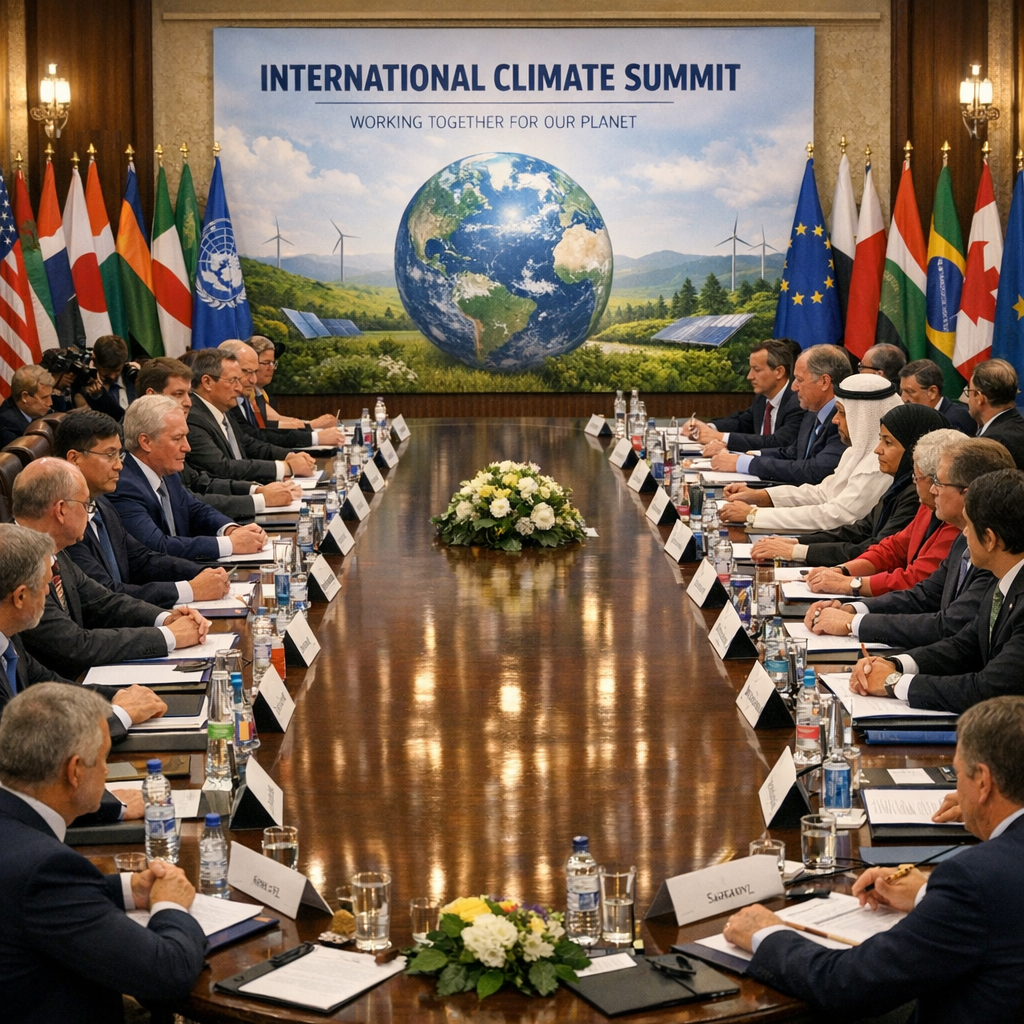
At global climate forums recently, there’s a clear message: diplomacy isn’t just about lofty promises anymore—it’s increasingly about concrete action. Major international efforts are evolving toward measurable results, accountability, and scaled-up cooperation across governments, businesses, and communities.
From Declarations to Deliverables
Traditional multilateral negotiations—like those under the United Nations Framework Convention on Climate Change—still set the agenda for climate goals. But stakeholders are growing impatient. Newer efforts, such as those born out of recent climate summits, focus on scaling up clean energy systems, strengthening nature-based solutions, and expanding access to clean cooking technologies. These are tangible changes taking hold around the world.
Growing Role of Coalitions and Carbon Markets
Countries are forming smaller, issue-based alliances to get things moving faster. For example, international talks now include efforts to develop and expand carbon pricing and emissions trading programs. Over the past year, global carbon pricing coverage rose notably, pushing governments to align economic incentives with climate goals.
Enhancing Accountability Through Transparency
One of the most important developments is the stronger enforcement around reporting climate actions. The Paris Agreement’s Implementation and Compliance Committee has marked progress: more nations are submitting required transparency reports, though dozens still lag behind. Meanwhile, work programs are accelerating efforts for investment-focused dialogues and national mitigation ambitions to become reality, not just policy language.
Security, Nature, and Shared Risks
Another shift: climate change is increasingly seen as a matter of security. Threats like extreme weather, ecosystem loss, and strained resources are now being addressed in the context of geopolitics and global stability. Efforts that link ecological health with economic and human security—particularly in regions dependent on vital ecosystems—are receiving growing attention.
Impacts on Communities, Including Local Ones
For communities everywhere, including places like Pomona, these changes ripple out in various ways. Policies promoting clean energy and stricter carbon pricing may affect utility rates, job opportunities, and local industry. Nature-based climate solutions can preserve green spaces, protect against flooding, and support public health. And stronger transparency norms can pressure leaders to follow through on promises—so local voices become part of global accountability systems.
Looking Ahead: What to Watch
- How the upcoming climate work programs secure funding and involve smaller and mid-sized cities.
- Whether carbon market agreements maintain quality, avoid loopholes, and stay fair to economies at different stages of development.
- How nations that have missed reporting deadlines respond—and whether compliance improves.
- Integration of climate-security thinking into national and international planning.
In this evolving landscape, global climate diplomacy is proving more resilient and adaptive than many expected. The shift toward action, accountability, and cooperation across multiple sectors offers both challenges and opportunities—for people everywhere.